
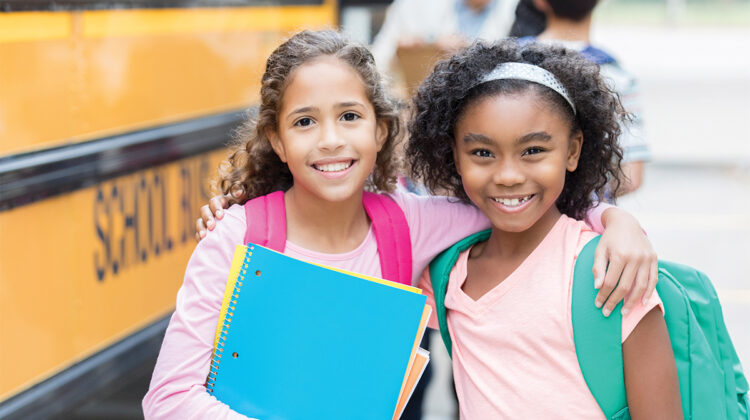
As a new school year begins, children are meeting new classmates, reconnecting with old friends, and navigating new social situations. It’s normal for friendships to change as kids grow, and not every disagreement is a cause for concern.
The challenge for parents is knowing when a friendship issue is simply part of growing up—and when it’s time to step in.
Usually Part of Growing Up
These situations are common as children learn social skills and usually resolve with time and guidance.
›› Your child isn’t invited to every birthday party.
›› Best friends begin spending time with other classmates.
›› They occasionally argue with a friend but make up later.
›› One day they’re inseparable; the next day they want some space.
›› They come home frustrated about a disagreement but are ready to try again the next day.
These experiences can help children develop resilience, communication skills, and empathy.
It May Be Time to Take a Closer Look
Consider talking with your child, teacher, or school counselor if you notice:
›› Your child consistently eats or plays alone and seems unhappy about it.
›› They repeatedly say they have “no one” to play with.
›› They become unusually withdrawn after school.
›› They suddenly don’t want to attend school.
›› They mention being teased, excluded, or embarrassed on a regular basis.
›› Their mood, sleep, or appetite changes significantly.
›› They stop participating in activities they once enjoyed.
›› They frequently come home with damaged belongings or unexplained injuries.
How Parents Can Help
Listen first.
Resist the urge to immediately solve the problem. Give your child space to tell their story.
Ask open-ended questions.
Instead of asking, “Did someone pick on you today?” try, “Who did you spend time with today?” or “How did recess go?”
Teach problem-solving.
Help children think through possible solutions instead of fixing every conflict for them.
Model healthy friendships.
Children learn a great deal by watching how adults handle disagreements, apologize, and maintain relationships.
Stay connected with school.
If concerns continue or seem to be escalating, reach out to your child’s teacher or school counselor. They often have valuable insight into what happens during the school day.